
LED Light Bulbs vs Incandescent Bulbs: Which Is Better?
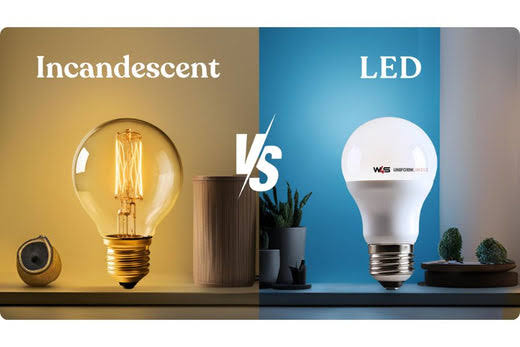
When you’re shopping for a LED light bulb, one of the biggest questions is whether it’s really better than a traditional incandescent bulb. While both produce light, they differ significantly in energy efficiency, lifespan, brightness, heat output, and long-term cost. Choosing the right bulb can lower your electricity bills, reduce maintenance, and improve the overall lighting quality in your home or business.
In this guide, we’ll compare LED light bulbs and incandescent bulbs across the factors that matter most, helping you decide which option is the better investment for your needs.
What Is an LED Light Bulb?
An LED (Light Emitting Diode) light bulb is a modern lighting solution that produces light by passing electricity through a semiconductor. Unlike incandescent bulbs, LEDs don’t rely on heating a filament to create light. This allows them to use far less energy while producing the same amount of brightness.
LED technology has become the standard choice for residential, commercial, industrial, and outdoor lighting because it combines energy efficiency, durability, and long service life.
What Is an Incandescent Bulb?
Incandescent bulbs are one of the oldest types of electric lighting. They generate light by passing electricity through a thin tungsten filament until it becomes hot enough to glow.
Although incandescent bulbs are inexpensive to purchase initially, they consume significantly more electricity and burn out much faster than LED bulbs. As a result, they have gradually been replaced in many homes and businesses by more efficient lighting technologies.
LED Light Bulb vs Incandescent Bulb: Side-by-Side Comparison
| Feature | LED Light Bulb | Incandescent Bulb |
| Energy Efficiency | Excellent | Poor |
| Lifespan | 15,000–50,000 hours | Around 750–2,000 hours |
| Power Consumption | Very Low | High |
| Heat Output | Minimal | Very High |
| Initial Cost | Higher | Lower |
| Long-Term Cost | Lower | Higher |
| Brightness | High with lower wattage | Requires higher wattage |
| Environmental Impact | More eco-friendly | Less energy efficient |
| Durability | Resistant to vibration and shock | Fragile filament |
Energy Efficiency
One of the biggest reasons homeowners and businesses switch to LED lighting is energy savings.
LED bulbs convert most of the electricity they consume into light, whereas incandescent bulbs convert much of that energy into heat. This means LEDs can produce the same brightness while using up to 80–90% less electricity.
For example:
- 60W Incandescent ≈ 8–10W LED
- 75W Incandescent ≈ 11–12W LED
- 100W Incandescent ≈ 15–17W LED
Over time, this reduction in power usage can significantly lower electricity costs.
Lifespan
Another major difference is longevity.
A standard incandescent bulb typically lasts around 1,000 hours. If used several hours each day, it may need replacing within a year.
An LED light bulb can last anywhere from 15,000 to 50,000 hours depending on the quality of the product and operating conditions.
This means one LED bulb can outlast many incandescent bulbs, reducing replacement costs and maintenance.
Brightness and Light Quality
Many people mistakenly assume higher wattage means brighter light. In reality, brightness is measured in lumens.
LED bulbs produce more lumens per watt, making them much more efficient.
Here is a quick comparison:
| Brightness | LED Wattage | Incandescent Wattage |
| 450 Lumens | 4–5W | 40W |
| 800 Lumens | 8–10W | 60W |
| 1,100 Lumens | 11–13W | 75W |
| 1,600 Lumens | 15–17W | 100W |
LED bulbs are also available in various color temperatures, including:
- Warm White (2700K–3000K)
- Neutral White (3500K–4100K)
- Cool White (5000K)
- Daylight (6500K)
This makes it easier to create the desired ambiance for different spaces.
Heat Production
Incandescent bulbs become extremely hot because much of their energy is wasted as heat.
This can:
- Increase indoor temperatures
- Create burn hazards
- Add unnecessary cooling costs during warmer months
LED bulbs remain much cooler during operation, making them safer and more energy efficient.
Cost Comparison
Upfront Cost
Incandescent bulbs generally cost less initially.
LED bulbs have a higher purchase price because of their advanced technology.
Long-Term Cost
Although LEDs cost more upfront, they often pay for themselves through:
- Lower electricity bills
- Fewer replacements
- Reduced maintenance
- Longer operating life
For homes and businesses with many light fixtures, these savings can add up quickly.
Environmental Impact
LED lighting is generally considered the more environmentally friendly option.
Benefits include:
- Lower energy consumption
- Reduced carbon emissions
- Longer lifespan resulting in less waste
- No fragile filaments
- Many LED bulbs are recyclable through appropriate recycling programs
Because incandescent bulbs burn out frequently, they contribute more waste over time.
Durability
LED bulbs are built using solid-state components.
This makes them more resistant to:
- Vibrations
- Frequent switching
- Minor impacts
- Temperature fluctuations
Incandescent bulbs contain delicate filaments that can break easily, especially during transportation or in high-vibration environments.
Best Applications
LED Light Bulbs Are Ideal For
- Living rooms
- Bedrooms
- Kitchens
- Offices
- Retail stores
- Warehouses
- Outdoor lighting
- Security lighting
- Garages
- Industrial facilities
Incandescent Bulbs May Still Be Used For
- Decorative fixtures
- Vintage lighting designs
- Specialty applications requiring traditional warm glow
- Older fixtures where replacement options are limited
However, many decorative LED bulbs now closely replicate the warm appearance of incandescent lighting while offering much better efficiency.
Pros and Cons
LED Light Bulbs
Pros
- Extremely energy efficient
- Long lifespan
- Lower electricity costs
- Produce less heat
- Available in multiple color temperatures
- Durable construction
- Low maintenance
Cons
- Higher initial purchase price
- Performance depends on product quality
Incandescent Bulbs
Pros
- Low upfront cost
- Familiar warm light
- Simple technology
Cons
- High energy consumption
- Short lifespan
- Produce excessive heat
- Frequent replacements
- Higher long-term operating costs
Which One Is Better?
For most homes and businesses, LED light bulbs are the clear winner.
They offer:
- Greater energy efficiency
- Longer lifespan
- Lower maintenance
- Better durability
- Reduced electricity bills
- Improved environmental performance
While incandescent bulbs may have a lower purchase price, their higher energy consumption and shorter lifespan make them more expensive over time.
Unless you’re maintaining a vintage fixture or have a specific decorative requirement, switching to LED lighting is generally the smarter long-term investment.
Frequently Asked Questions
Do LED light bulbs save money?
Yes. Although they cost more initially, LED bulbs use significantly less electricity and last much longer, resulting in lower overall lighting costs.
Can I replace incandescent bulbs with LED bulbs?
In most cases, yes. As long as the LED bulb has the correct base type and is compatible with your fixture, it can directly replace an incandescent bulb.
Are LED bulbs brighter than incandescent bulbs?
LED bulbs can produce the same or greater brightness while using much less wattage. Compare bulbs by lumens rather than watts to ensure equivalent light output.
Do LED bulbs get hot?
LED bulbs generate some heat, but they operate much cooler than incandescent bulbs because they waste far less energy as heat.
Are LED light bulbs worth the higher price?
Yes. The combination of energy savings, extended lifespan, and reduced maintenance makes LED bulbs a cost-effective choice over their lifetime.
Final Thoughts
When comparing LED light bulbs and incandescent bulbs, LEDs outperform traditional incandescent lighting in nearly every important category, including energy efficiency, lifespan, durability, safety, and long-term value. While incandescent bulbs may have a lower upfront cost, their higher electricity usage and frequent replacements often make them the more expensive option over time.
Whether you’re upgrading your home, office, retail store, or commercial facility, choosing quality LED lighting is a smart investment. Buy LED Online offers a wide selection of reliable LED lighting solutions designed to deliver long-lasting performance, energy savings, and consistent illumination for a variety of residential and commercial applications.