
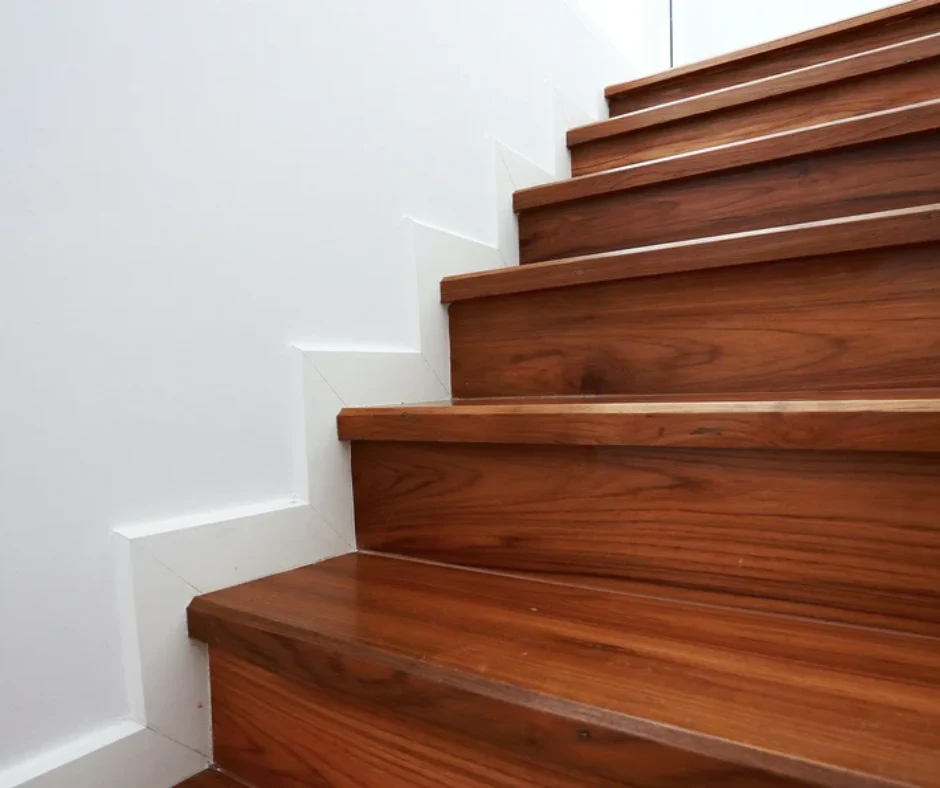
Staircase renovations can significantly improve a home’s appearance without requiring a complete interior remodel. For flooring contractors, builders, and interior designers, selecting the right hardwood is essential to balancing appearance, material costs, and long-term performance. Red oak stair treads offer a practical solution for residential projects because of their distinctive grain patterns, stain compatibility, and dependable hardness. Whether replacing worn steps or coordinating a staircase with existing hardwood floors, red oak provides flexibility for different remodeling requirements.
Why Red Oak Is a Popular Choice for Staircase Renovations
Red oak has remained a widely used hardwood in American residential construction for decades. Its availability, recognizable grain, and compatibility with various stains make it suitable for both new installations and remodeling projects.
For contractors working on older homes, red oak may also coordinate well with existing oak flooring, reducing the need for major design changes.
Several characteristics make this hardwood worth considering:
- Natural appearance: Its visible grain adds character to interior staircases.
- Material affordability: Red oak is generally more economical than several other hardwood species.
- Finish flexibility: Its open grain accepts a broad selection of stain colors.
- Residential durability: Its hardness supports everyday household use.
These characteristics give flooring professionals practical options when recommending materials for projects with different budgets and design preferences.
Understanding Red Oak’s Natural Appearance
Red oak typically features warm undertones, noticeable grain lines, and natural variations between boards.
Its heartwood can range from light brown to pinkish reddish-brown, while the sapwood is generally lighter.
These variations contribute to the natural appearance of hardwood staircases.
Choosing the Right Stain Color
Stain selection plays an important role in coordinating stair treads with surrounding flooring.
Light stains emphasize the wood’s natural appearance, while medium and darker tones create greater contrast with walls and risers.
For projects involving existing hardwood floors, contractors should compare physical samples before ordering.
Lighting, wood grain, finish sheen, and the age of existing flooring can affect how closely the colors match.
Prefinished vs. Unfinished Red Oak Stair Treads
Contractors must decide whether factory-finished or unfinished hardwood is more appropriate for their projects.
Both options serve different installation and design needs.
Prefinished Red Oak Treads
Prefinished treads arrive with a protective factory-applied coating, reducing the finishing work required at the job site.
Their advantages include:
- Less on-site sanding and staining.
- Reduced exposure to finishing odors and dust.
- No additional on-site coating cure time.
- Greater consistency across factory-finished components.
These benefits can be particularly helpful during occupied-home renovations where limiting disruption is important.
Unfinished Red Oak Treads
Unfinished products allow contractors to apply custom stains and protective coatings during installation.
This option is useful when matching hardwood floors that will be sanded and finished simultaneously.
However, project schedules must account for surface preparation, staining, coating, and curing requirements.
Retrofit vs. Traditional Red Oak Stair Treads
Selecting the correct tread construction depends on the condition and design of the existing staircase.
Retrofit Stair Treads
Retrofit treads are designed to cover suitable existing staircase surfaces rather than requiring complete tread replacement.
They are commonly considered when converting carpeted stairs to hardwood.
For structurally sound staircases, this approach may reduce demolition and associated labor.
However, installers must confirm that adding retrofit materials will not create unacceptable differences in step dimensions.
Traditional Stair Treads
Traditional hardwood treads are typically installed during new construction or major staircase reconstruction.
They are appropriate when existing steps require replacement or when a staircase is being built directly on structural stringers.
These products require accurate measurements and proper installation to meet project specifications.
Managing Material Costs Without Sacrificing Quality
Budget planning is an important part of residential renovation work.
Red oak often offers a favorable balance between hardwood appearance and material cost compared with more expensive species.
However, the final staircase budget depends on several factors:
- Number and dimensions of steps.
- Retrofit or traditional tread construction.
- Prefinished or unfinished materials.
- Return configurations and exposed edges.
- Labor, preparation, and accessory requirements.
For flooring dealers and contractors, reviewing these details before preparing estimates helps establish realistic project costs.
Material quality should remain a priority. Solid hardwood construction, appropriate lumber grades, and suitable protective finishes all influence the finished staircase.
Planning a Successful Red Oak Stair Installation
Accurate preparation helps prevent installation problems and unnecessary material waste.
Before ordering, contractors should inspect the staircase structure, measure each step, and identify any irregularities.
Important considerations include tread depth, riser height, nosing dimensions, and required return profiles.
Closed staircases generally require treads designed to fit between walls, while open staircases may need finished returns on one or both ends.
Contractors should also evaluate stair risers, landing transitions, and coordinating trim.
Following manufacturer instructions and applicable local building codes helps ensure the installation meets structural and safety requirements.
Conclusion
Red oak remains a practical hardwood option for residential staircase renovations because of its natural appearance, stain flexibility, and suitability for everyday household traffic. With the right product selection and installation planning, contractors can create attractive staircases that complement existing interiors while meeting project budgets.
For flooring dealers, remodeling contractors, homebuilders, and interior designers seeking hardwood staircase materials, Wood Stair Co offers solid red oak treads in prefinished and unfinished options, including retrofit and traditional configurations. Explore the available tread styles, stain colors, and coordinating stair components to find suitable products for your next residential renovation.