

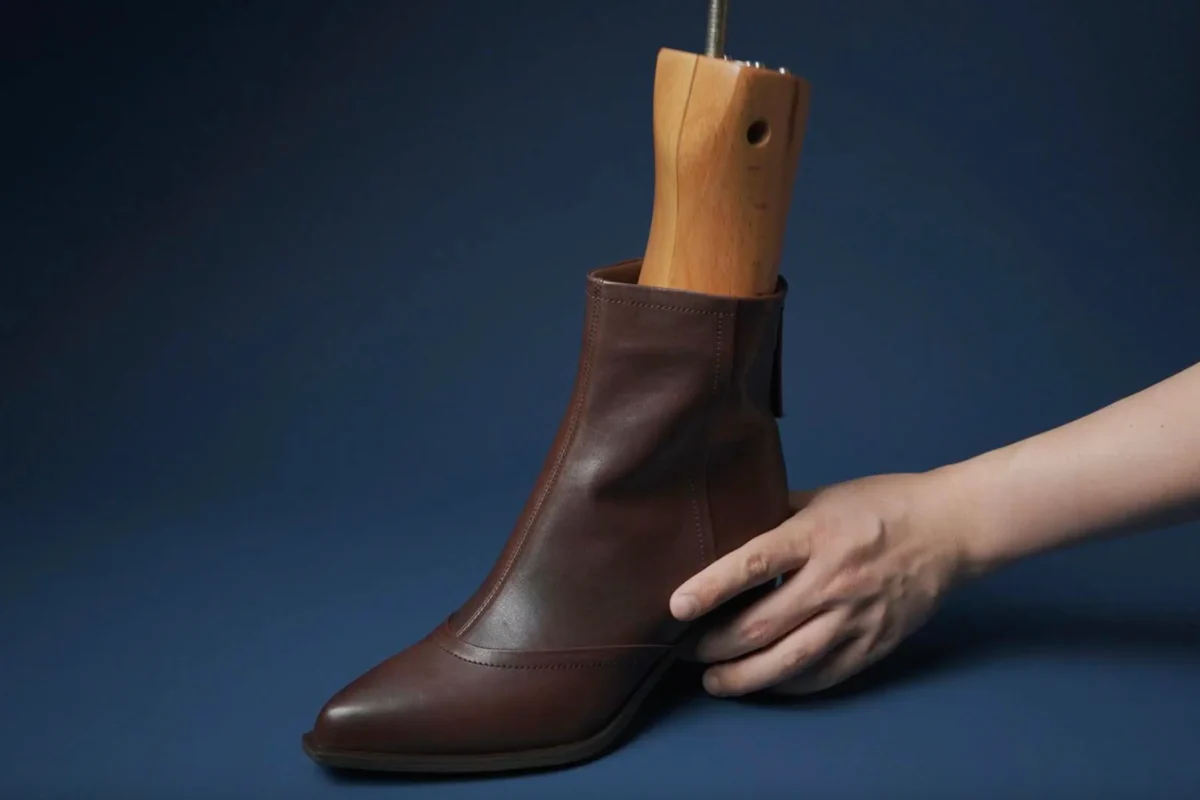
A new pair of leather boots can feel stiff or snug when you first wear them. While quality leather naturally softens and adapts over time, some boots may need additional help to achieve a more comfortable fit. Learning how to stretch out leather boots can help reduce tightness around areas such as the toe box, instep, and sides without damaging the material. With the right techniques and patience, you can improve comfort while preserving the structure and appearance of your boots.
Leather is a natural material that becomes more flexible with wear. However, rushing the stretching process or using improper methods can lead to cracks, uneven shaping, or permanent damage. Understanding the right approach can help you get a better fit while extending the life of your footwear.
Why Do Leather Boots Feel Tight at First?
New leather boots often feel firm because the material has not yet adjusted to the shape of your feet. Unlike fabric shoes, leather requires time to soften and develop flexibility.
Common areas where boots may feel tight include:
- Toe box
- Width around the sides
- Instep area
- Heel section
- Ankle opening
A properly fitted leather boot should feel secure but should not create painful pressure points. Some initial stiffness is normal, but persistent discomfort may indicate that the boot needs stretching or that the size is not suitable.
Can Leather Boots Be Stretched?
Yes, leather boots can usually be stretched to improve comfort. Leather fibers have a natural ability to loosen and adjust when exposed to controlled pressure and moisture.
However, the amount of stretching possible depends on factors such as:
- Leather type
- Boot construction
- Current fit
- Location of tightness
- Quality of materials
Most leather boots can be stretched slightly in width, but significant size changes are generally not possible. Stretching works best when you need a small adjustment for a more comfortable fit.
What Are the Best Ways to Stretch Leather Boots?
Several methods can help loosen leather boots gradually. The best approach depends on how much stretching is needed and the type of leather.
Wear Thick Socks Around the House
One of the easiest methods is wearing your boots with thicker socks for short periods indoors.
This technique allows the leather to slowly adjust while the socks create gentle pressure.
Steps:
- Put on a pair of thick socks.
- Wear your leather boots for 15 to 30 minutes.
- Walk around indoors.
- Repeat the process over several days.
This method works well for minor tightness and helps soften stiff leather naturally.
Use a Leather Stretching Spray
Leather stretching sprays are designed to soften leather fibers temporarily, making the material easier to expand.
A typical process includes:
- Apply the stretching spray to the tight areas.
- Put on the boots with thick socks.
- Walk around until the leather begins adjusting.
- Allow the boots to dry naturally.
Always follow the product instructions and test the solution on a small area first to ensure it does not affect the leather color.
Use a Boot Stretcher
A boot stretcher is a tool designed specifically for expanding footwear.
It can help target specific areas, including:
- Toe width
- Side pressure points
- Instep tightness
Boot stretchers are especially useful when a specific part of the boot feels uncomfortable rather than the entire boot.
For best results, make gradual adjustments rather than forcing the stretcher too quickly.
Try the Freezer Method Carefully
Some people use a freezer method to stretch leather boots. This involves filling sealed bags with water, placing them inside the boots, and allowing the water to freeze and expand.
However, this method requires caution because excessive moisture or pressure may affect leather quality. It may not be suitable for all leather types.
If using this method, make sure:
- Water is sealed properly
- The leather is suitable for moisture exposure
- The process is controlled carefully
Can Heat Help Stretch Leather Boots?
Heat can soften leather, but it should be used carefully. Excessive heat can dry out leather, causing cracks or damage.
If using gentle heat:
- Avoid high temperatures
- Keep the heat source moving
- Apply leather conditioner afterward if needed
Direct heat from sources such as high-temperature dryers or heaters can harm the material.
How Long Does It Take to Stretch Leather Boots?
The time required depends on the leather type, amount of tightness, and stretching method.
Some boots may become more comfortable after a few wears, while others may require several days or weeks of gradual adjustment.
Factors that influence stretching time include:
- Leather thickness
- Boot design
- Frequency of wear
- Stretching technique
Patience is important. Trying to force quick results may damage the boots.
What Areas of Leather Boots Can Be Stretched?
Different areas respond differently to stretching.
Width
Leather boots can often be stretched slightly in width to relieve side pressure.
Toe Box
The toe area may be adjusted if your toes feel cramped, although major changes are limited.
Instep
The upper area across the foot can sometimes be loosened if it feels restrictive.
Ankle Area
Some leather around the ankle can soften with wear, improving flexibility.
What Should You Avoid When Stretching Leather Boots?
While stretching can improve comfort, certain methods may damage your boots.
Avoid:
- Soaking boots completely in water
- Applying excessive heat
- Using harsh chemicals
- Stretching too aggressively
- Ignoring proper sizing issues
Leather boots are an investment, so careful methods are always preferable.
How Can You Maintain Stretched Leather Boots?
Once your boots reach a comfortable fit, proper care can help maintain their condition.
Helpful maintenance steps include:
- Cleaning dirt regularly
- Applying leather conditioner when needed
- Storing boots properly
- Using shoe trees when appropriate
- Avoiding excessive moisture exposure
Proper care helps leather remain flexible and durable over time.
Finding Comfortable Leather Boots From the Start
Stretching can improve the fit of leather boots, but choosing the right size and style from the beginning is always the best approach. Factors such as foot shape, intended use, materials, and construction all influence comfort.
Whether you wear boots for work, outdoor activities, western style, or everyday use, a proper fit helps ensure long-lasting comfort.
Explore quality footwear options from Boots Plus More to find durable boots designed for different lifestyles and everyday needs.
