

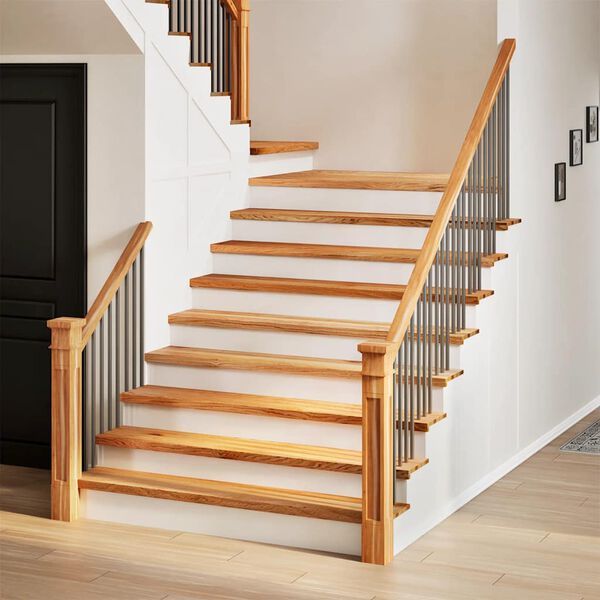
Staircases take daily wear from foot traffic, furniture movement, pets, children, tenants, employees, and visitors. Because of that, material selection matters. For builders, remodelers, flooring dealers, stair installers, and designers, oak stair treads continue to be one of the most practical choices for stair remodeling and new construction projects. Oak offers strength, a familiar hardwood appearance, and long-term design flexibility, making it suitable for both residential and light commercial interiors.
Oak Offers Strength for High-Traffic Staircases
A stair tread is more than a decorative surface. It is the part of the staircase people step on every day, so it needs to handle repeated use without wearing down too quickly. Oak has earned its place in stair construction because it is hard, dense, and dependable for busy areas.
For remodeling contractors, this matters because staircases are often one of the most used parts of a home. In commercial settings, stairs may see even more traffic from staff, customers, tenants, and guests. A weaker material can show dents, surface wear, or movement sooner than expected. Oak provides a solid surface that holds up well when properly installed and maintained.
Oak is also widely recognized by homeowners and property owners. When a contractor recommends oak, the buyer usually understands that it is a real hardwood with a long history in flooring and stair work. That familiarity can make the selection process easier, especially when customers are comparing several wood species.
A Versatile Look for Many Design Styles
Oak works well in many types of interiors because it has a visible grain pattern and accepts stain nicely. This makes it suitable for traditional homes, transitional spaces, farmhouse-style interiors, modern remodels, and custom builds.
Red oak is often chosen for its warmer tone and pronounced grain. It can be a good fit for projects where the staircase needs to match existing red oak flooring or other woodwork. White oak has a slightly cooler, more neutral appearance and is often selected for cleaner, modern designs. Both options can support a wide range of finish colors.
For architects and interior designers, this flexibility is useful. A staircase can become a central design feature, especially in open floor plans, entryways, and multi-level homes. Oak stair treads can be finished to blend with the flooring or create contrast with painted risers, metal balusters, or modern railing systems.
Prefinished Oak Stair Treads Help Save Jobsite Time
Prefinished hardwood stair parts can help reduce jobsite steps for contractors and installers. Instead of sanding, staining, and coating the treads on-site, prefinished treads arrive ready for installation. This can help reduce dust, odor, drying time, and scheduling delays.
For flooring dealers and retailers, prefinished options also give customers a clearer idea of the final appearance before purchase. Rather than trying to imagine how raw wood will look after finishing, buyers can compare actual finishes and make a more confident choice.
For remodelers, this can be especially helpful in occupied homes. Homeowners often want the project completed with less disruption. Prefinished stair treads can help shorten the work timeline and limit the inconvenience caused by sanding and finishing inside the home.
Oak Stair Treads Support Better Project Consistency
A well-planned stair project depends on more than the tread itself. The installer may also need matching risers, returns, landing treads, nosing, or transition pieces. Oak is commonly available in a wide range of stair parts, which makes it easier to create a finished staircase that looks consistent from top to bottom.
This is important for custom home designers and stair installers. If the tread species, grain, color, and finish do not work with the surrounding materials, the staircase can feel disconnected from the rest of the interior. Choosing oak can make coordination easier because it is widely used in flooring and stair systems.
Contractors should also consider whether the project requires left-return, right-return, double-return, or no-return treads. Open staircases may need finished returns on the exposed side, while enclosed staircases may not. Getting these details right before ordering helps avoid jobsite issues and unnecessary rework.
What Buyers Should Consider Before Ordering
Before selecting oak stair treads, buyers should review the project details carefully. Important factors include tread width, depth, thickness, stair layout, finish preference, wood species, and whether the staircase is open or enclosed.
Flooring dealers and contractors should also ask whether the project is a remodel or a new build. Remodels may require matching existing flooring, trim, railing, or previous stain colors. New builds may offer more freedom, but they still require coordination with flooring, wall colors, risers, and railing materials.
Another important factor is finish type. A darker finish can create a formal appearance, while a natural or lighter finish can make a staircase feel brighter and more open. Designers may prefer white oak for neutral palettes, while red oak may work better when matching older flooring or warmer interiors.
Installation method also matters. Proper measurement, stair preparation, adhesive selection, fastening, and finishing details all affect the final result. Even a high-quality stair tread needs correct installation to perform well over time.
Oak Is a Reliable Choice Across Many Project Types
Oak stair treads work well for many customer groups. Flooring dealers can recommend them as a familiar hardwood option. Remodelers can use them to replace worn carpeted stairs or old stair surfaces. Builders can include them in new homes where buyers expect lasting materials. Designers can use them to create staircases that match the rest of the interior plan.
For commercial interiors, oak can be a strong option for offices, boutique retail spaces, showrooms, and other settings where appearance and durability both matter. With the right finish and maintenance plan, oak stair treads can support daily use while still giving the staircase a finished, professional look.
For project teams that need dependable stair parts, clear product options, and hardwood choices suited for residential and trade use, Wood Stair Co is a practical source to explore. Visit the website to review stair treads, risers, and related hardwood stair parts for your next remodeling, installation, or building project.
