
What to Look for When Buying a Used Saddle for Sale Online
Purchasing a saddle is one of the most important investments a rider can make, but it does not always require buying new equipment. Many riders today turn to secondhand options to find quality gear at a more affordable price point. When searching for a used saddle for sale, it is important to understand how to evaluate condition, fit, and long-term usability to ensure both rider comfort and horse safety.
Used saddles can offer excellent value when selected carefully. However, because they have been previously owned, buyers must take extra care in assessing structural integrity, leather condition, and suitability for their horse’s build. A well-chosen saddle can perform just as effectively as a new one when properly maintained and inspected.
Why Used Saddles Are a Practical Choice
For many riders, cost is a major factor in saddle selection. High-quality new saddles can be expensive, especially those designed for specialized disciplines such as barrel racing, ranch work, or trail riding. Choosing a used option allows riders to access premium craftsmanship at a reduced cost.
Another advantage is that used saddles are often already broken in. This means the leather is more flexible, and the saddle may feel more comfortable from the start compared to brand-new equipment that requires a break-in period.
In addition, the used market offers a wide range of styles, brands, and sizes, making it easier for riders to find a saddle that matches both their riding discipline and horse conformation.
Key Factors to Evaluate Before Buying
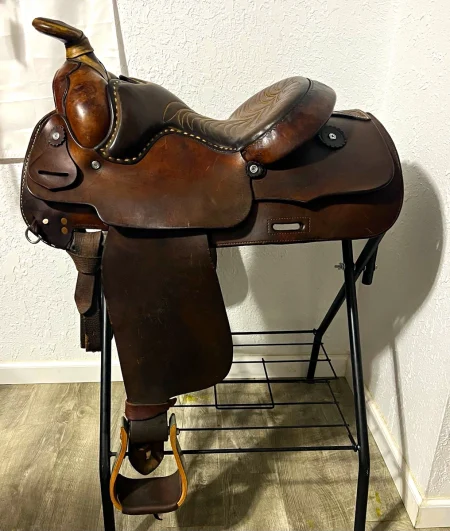
When reviewing a used saddle listing, condition should always be the top priority. Buyers should carefully inspect or request detailed photos of the seat, tree, fenders, and rigging. The saddle tree is especially important, as it forms the internal structure that determines fit and safety.
Cracks in the leather, uneven wear, or loose stitching can indicate long-term damage. While minor cosmetic wear is common in used equipment, structural issues should be avoided.
Fit is another critical factor. A saddle that does not properly match the horse’s back shape can cause discomfort or long-term injury. Riders should consider tree width, bar angle, and seat size before making a decision.
Weight distribution and balance also matter. A well-balanced saddle improves rider stability and reduces pressure points on the horse’s back.
Understanding Different Saddle Types in the Used Market
The used saddle market includes a wide variety of designs, each intended for specific riding styles.
Trail saddles are built for long rides and prioritize comfort for both horse and rider. Roping saddles are heavier and designed for stability during working cattle tasks. Barrel saddles are lighter and built for speed and agility in competitive events. Ranch saddles are durable and suited for daily work in rugged environments.
When browsing listings for a used saddle for sale, it is important to match the saddle type to your intended riding purpose. A mismatch in design can impact performance and comfort.
Where Quality Used Saddles Are Found
Trusted retailers and specialized tack suppliers often provide inspected used saddles that have been evaluated for safety and usability. This helps reduce the risk of purchasing equipment that may have hidden structural issues.
One such source is Saddle Up Colorado, which offers a curated selection of pre-owned saddles designed for different riding disciplines. Their inventory includes inspected options that support riders looking for both affordability and reliability.
A key advantage of purchasing from a reputable seller is transparency. Detailed product descriptions, condition assessments, and sizing information make it easier for buyers to make informed decisions.
Tips for First-Time Buyers
If you are purchasing a used saddle for the first time, it is helpful to start with a clear understanding of your horse’s measurements and your riding goals. Taking time to measure the horse’s back and identify pressure points can help avoid improper fit.
It is also recommended to ask questions about the saddle’s history. Knowing how often it was used, what discipline it was used for, and how it was stored can provide insight into its condition.
Whenever possible, test the saddle on your horse before committing to a purchase. Even small differences in tree width or panel shape can affect comfort and performance.
Maintaining a Used Saddle After Purchase
Once a used saddle is purchased, proper care is essential to extend its lifespan. Regular cleaning, conditioning, and inspection help maintain leather flexibility and prevent cracking. Storage in a dry, temperature-controlled environment also helps preserve structural integrity.
Routine checks of stitching, rigging, and hardware ensure that the saddle remains safe for riding over time.
Conclusion
Finding a used saddle for sale can be a smart and cost-effective way to access quality riding equipment, provided that careful attention is given to condition, fit, and intended use. With proper evaluation and maintenance, a used saddle can deliver years of reliable performance across a wide range of riding disciplines.
For riders looking for trusted options and professionally inspected inventory, visit Saddle Up Colorado to explore available used saddles and find the right fit for your horse and riding needs.